Why Your Step Aerobics Platform Height Might Be Straining Your Knees
Quick Answer: A step platform that’s too high forces excessive knee flexion and can strain the joint, especially during fast-paced choreography — starting one level lower than feels challenging and building up gradually protects your knees while you learn proper form.
The workout looked fun in the video. Twenty minutes in, your knees are telling a different story — and it’s very likely the platform height, not the exercise itself.
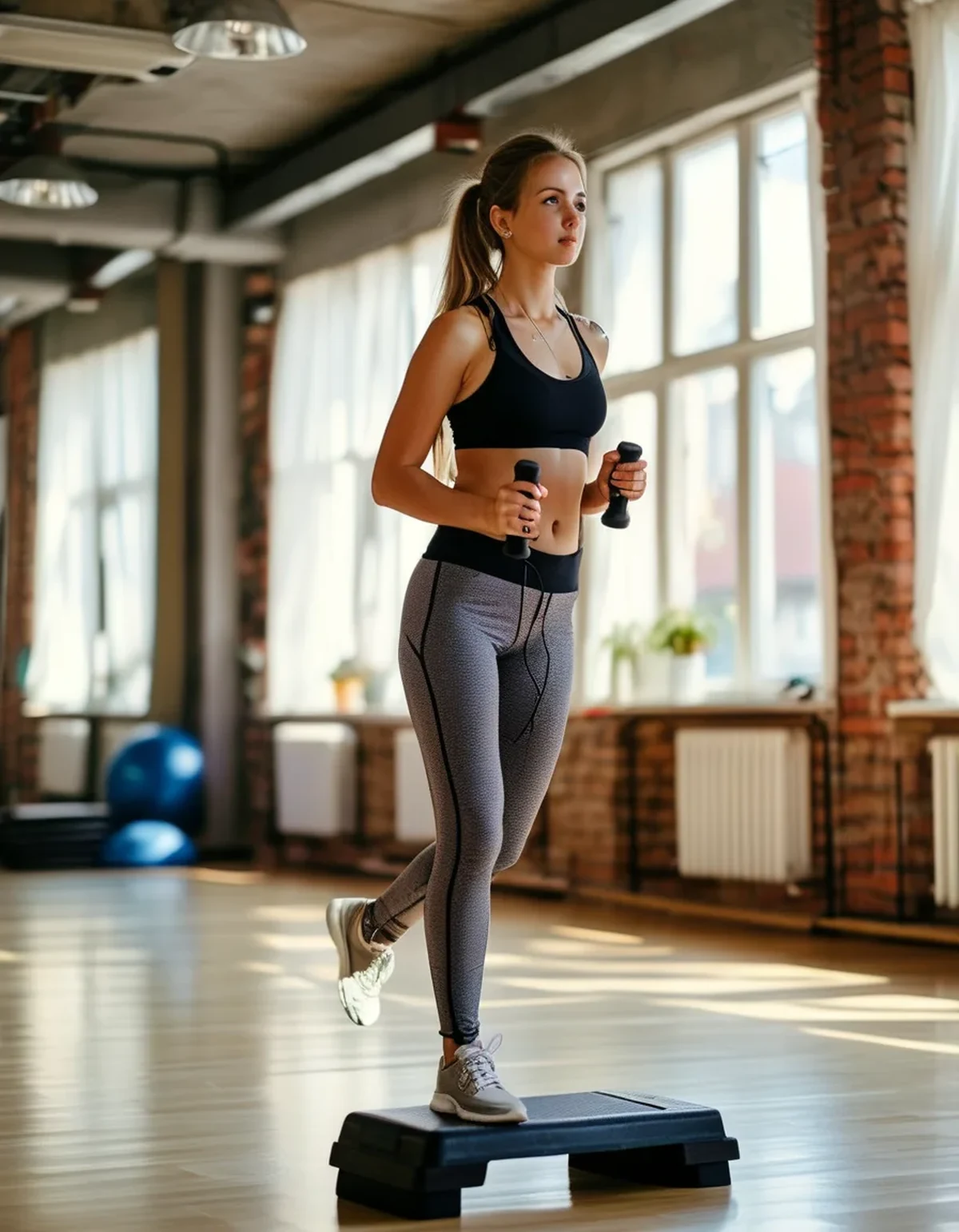
How does platform height affect knee strain?
A higher step platform requires greater knee flexion angle with each step up and down, which increases the mechanical load through the knee joint, especially when combined with fast tempo choreography where control is harder to maintain. Beginners often default to a higher, more ‘advanced-looking’ height before their form and stability can safely handle it.
What height should beginners actually start with?
Most beginner guidance suggests starting at the lowest platform setting (typically 4 inches) regardless of fitness level elsewhere, since step aerobics technique and coordination take time to build even for people who are otherwise quite fit. Height should increase only once choreography feels comfortable and controlled at the lower setting, not before.
Does step height need to match choreography complexity?
Yes — faster-paced or more complex choreography with quick direction changes demands more from your balance and control, and combining unfamiliar choreography with a higher platform compounds the risk of poor form or knee strain. It’s safer to master new choreography at a lower height first, then increase height once the movement pattern itself feels automatic.
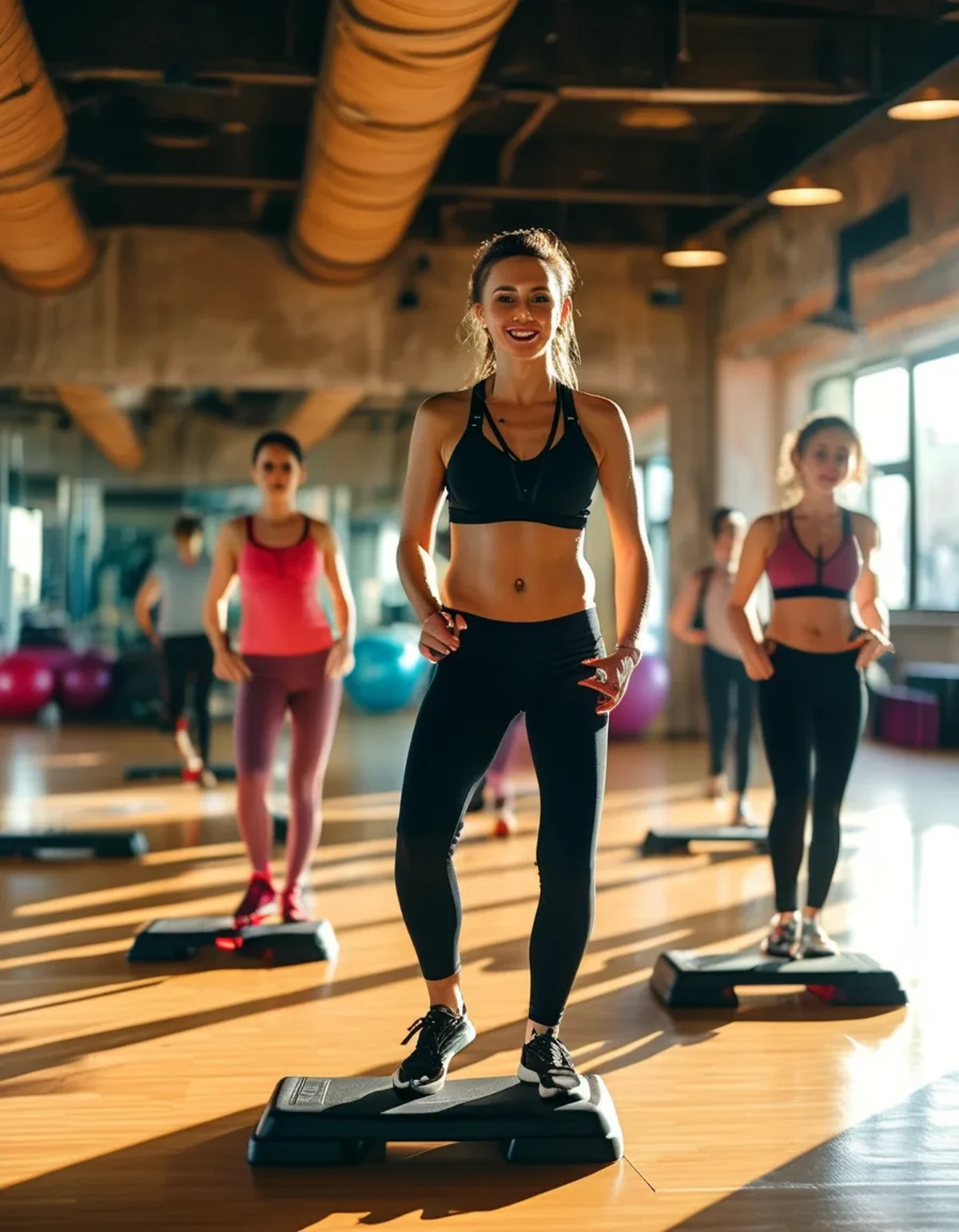
What form cues reduce knee strain regardless of height?
Keeping your knee aligned over your toes rather than caving inward, and stepping with your full foot on the platform rather than just your toes, both reduce unnecessary joint torque. Avoiding locking your knee at the top of each step also keeps the joint moving through a safer range rather than absorbing impact at full extension.
Is knee discomfort during step aerobics always a height problem?
Not always — footwear, existing knee conditions, and overall pacing also contribute, but height is one of the most commonly overlooked and easiest-to-adjust variables, which is why checking it first before assuming a bigger underlying issue makes sense for most new step aerobics participants.
FAQ: Step Aerobics Platform Height Questions, Answered
Can I use risers to adjust step height gradually?
Yes, most step platforms use removable risers specifically so height can be increased incrementally rather than jumping straight to a fixed maximum height.
Does step height affect calorie burn significantly?
Higher platforms do increase intensity and calorie burn somewhat, but not enough to justify risking form breakdown or knee strain before you’re ready for that height.
How do I know when I’m ready to increase step height?
If you can complete a full class at your current height with controlled, confident form and minimal breathlessness relative to the choreography’s pace, that’s a reasonable signal to try adding one riser.
TL;DR:
- Higher platforms increase knee flexion load and joint strain
- Start at the lowest height regardless of general fitness level
- Master new choreography at lower height before increasing platform height
- Keep knees aligned over toes and avoid locking them at full extension
If your knees are complaining during step aerobics, check the platform height before assuming you need to stop the workout altogether.
Keep Reading
This article is for general informational and styling purposes only. Fit, sizing, and product availability may vary.