Why the Wrong Step Platform Height Is the Most Common Step Aerobics Mistake
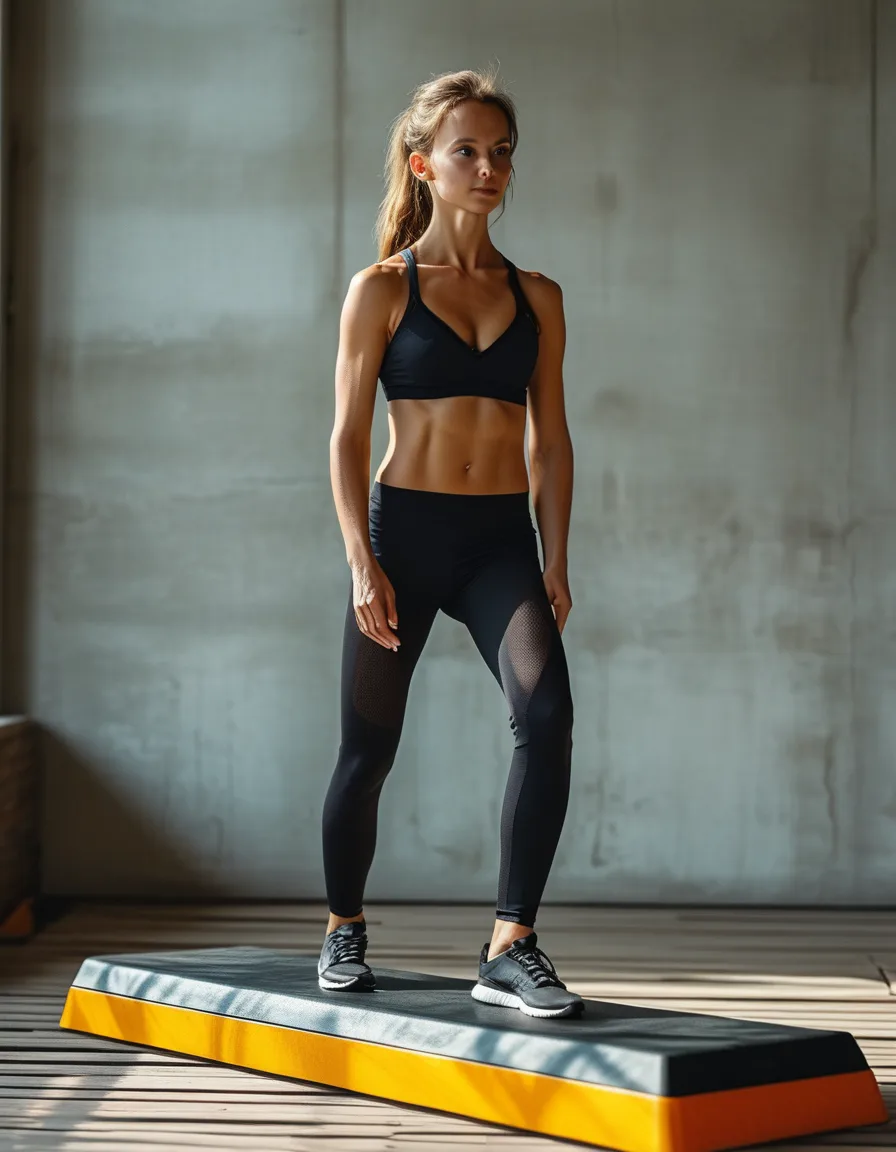
A higher step platform looks like a straightforward way to intensify a step aerobics workout, but going too high for a beginner’s current fitness and coordination level is one of the most common causes of knee strain and breakdown in form, since the knee has to travel through a larger range under load with every single step.
Why Higher Platforms Seem Like an Obvious Progression
The assumption: a taller step platform visibly demanding more effort per step, which makes increasing height feel like the natural way to add intensity as fitness improves, similar to adding weight to a strength exercise.
Why Excess Height Strains the Knee Specifically
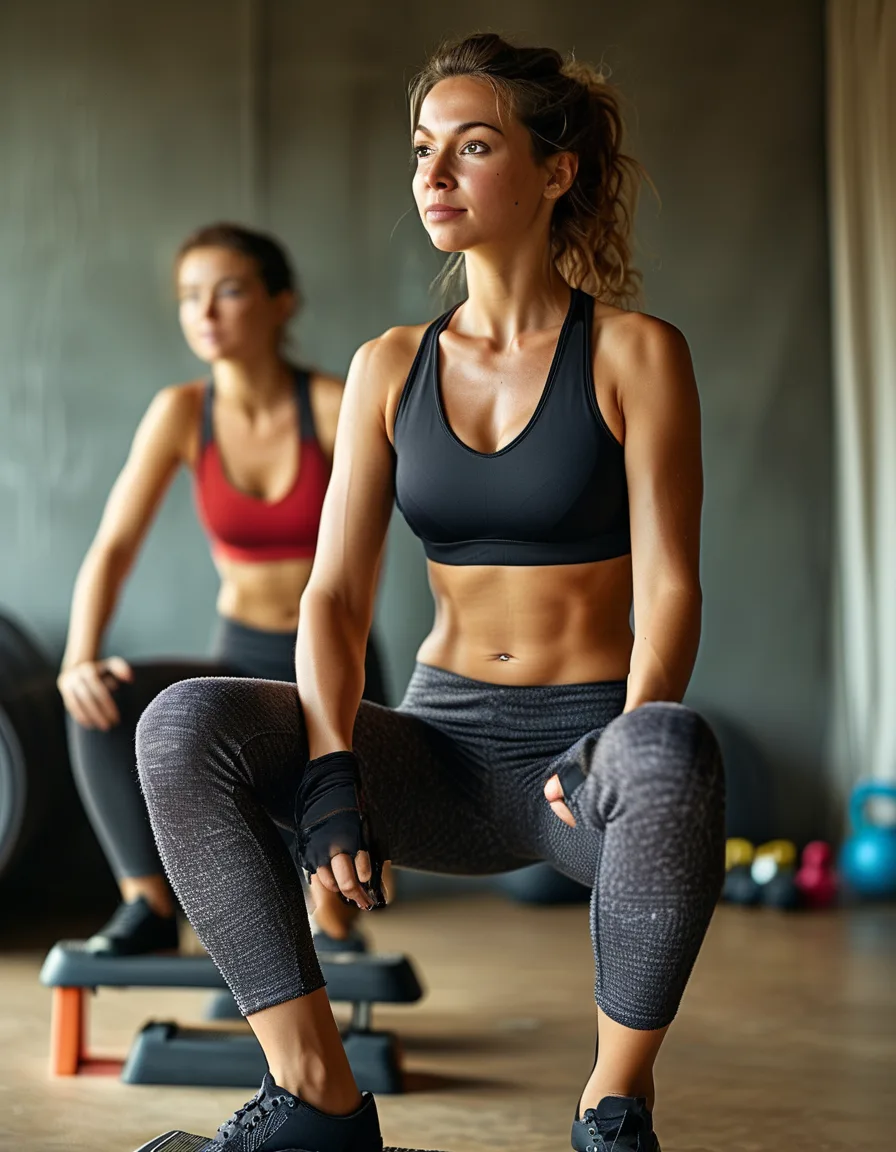
The mechanism: a higher step requiring a greater degree of knee flexion and a larger vertical push with each step, and when platform height outpaces a person’s current strength and coordination, that extra range gets absorbed sloppily, placing uneven and repetitive stress directly on the kneecap.
Why This Often Shows Up as a Form Problem First
The early warning sign: knees caving inward, a shortened or rushed step pattern, or noticeably heavier landings all commonly appearing before any pain does, signs that the platform height has outpaced what the body can control cleanly, and easy to miss without a mirror or feedback.
How to Actually Choose the Right Platform Height
The practical guideline: starting at a lower height, typically four to six inches for beginners, and increasing only once every step can be performed with a controlled, quiet landing and knees tracking directly over the toes, and the frame (platform height that outpaces coordination strains the knee through a larger, poorly controlled range — starting lower and progressing only with clean form is what actually protects the joint.)
A higher step platform looks like a straightforward way to intensify a step aerobics workout, but a higher step requires a greater degree of knee flexion and a larger vertical push with each step, and when platform height outpaces a person’s current strength and coordination, that extra range gets absorbed sloppily, placing uneven and repetitive stress directly on the kneecap. Knees caving inward, a shortened or rushed step pattern, or noticeably heavier landings all commonly appear before any pain does, signs that the platform height has outpaced what the body can control cleanly. Starting at a lower height, typically four to six inches for beginners, and increasing only once every step can be performed with a controlled, quiet landing and knees tracking directly over the toes, is what actually protects the joint.
Keep Reading
This article is for general informational and styling purposes only. Fit, sizing, and product availability may vary.