Why Beginners Should Start Step Aerobics With a Lower Platform Than Feels Challenging
New step aerobics participants often set the platform to match what looks normal in a class or video, without realizing platform height changes joint impact and injury risk more directly than almost any other variable in the entire workout.
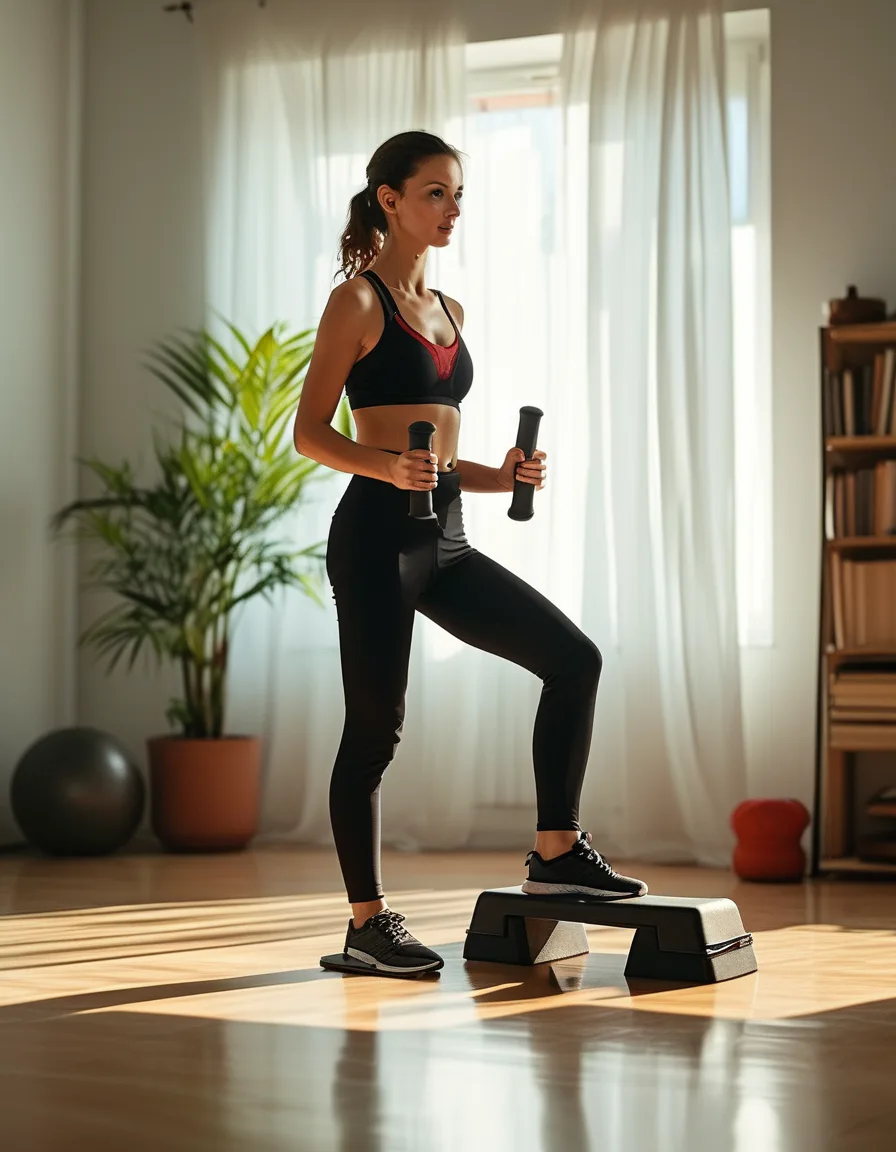
Why Platform Height Changes Impact and Injury Risk More Than Workout Intensity
The height-risk relationship: the a-higher-platform-increases-the-knee-flexion-angle-required-for-each-step (the taller platform demanding a deeper bend at the knee joint with every single repetition — the higher-platform-increases-knee-flexion-angle), the the-repeated-deep-flexion-under-load-before-the-joint-and-muscles-are-ready-raises-injury-risk (the accumulating stress on a joint not yet conditioned for that range being a common source of knee strain — the repeated-deep-flexion-raises-injury-risk-when-unconditioned), the the-a-platform-set-too-high-for-current-fitness-level-often-produces-a-harder-feeling-workout-through-injury-risk-rather-than-through-safe-effort (the the apparent extra intensity actually coming from unsafe joint stress rather than legitimate cardiovascular or muscular challenge — the false-intensity-from-risk-not-effort), and the reframe (platform height functioning as a genuine risk variable, not simply a difficulty slider that makes a workout appropriately harder)).
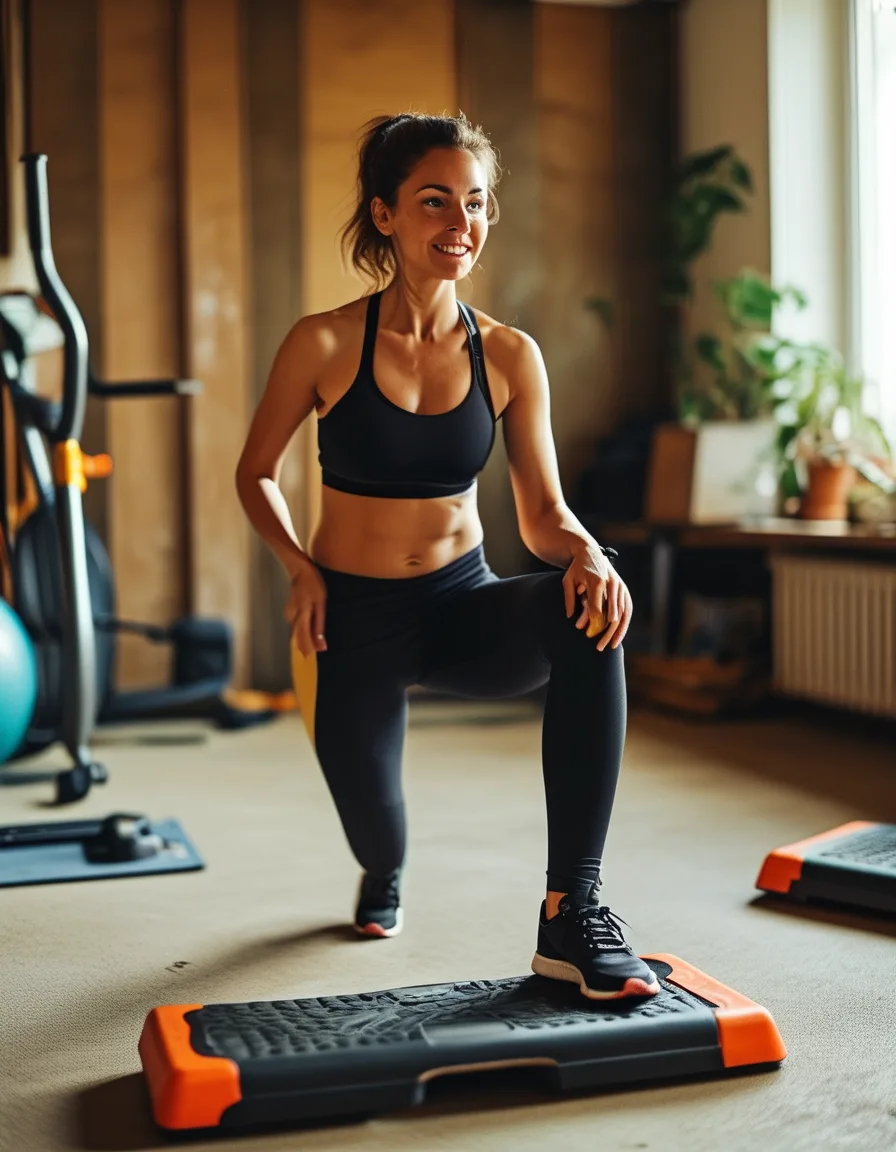
The Specific Height Range Appropriate for Beginners
The actual guidance: the beginners-should-start-at-the-lowest-available-platform-height-typically-four-to-six-inches (the starting conservatively regardless of what a class setup or video demonstrates — the start-at-four-to-six-inches), the the-the-correct-starting-height-should-allow-a-full-range-of-motion-without-any-knee-strain (the the test being pain-free, full movement rather than matching a specific number seen elsewhere — the pain-free-full-range-is-the-test), the the-classes-and-videos-often-show-intermediate-or-advanced-heights-that-arent-meant-as-a-starting-benchmark (the the visible setup in most instructional content reflecting an experienced participant’s level, not a beginner default — the shown-height-isnt-the-beginner-benchmark), and the frame (starting at four to six inches, using pain-free full range of motion as the actual test, and recognizing that a class’s visible setup isn’t meant as the starting reference point).
How to Progress Height Gradually Instead of Matching an Instructor’s Setup Immediately
The progression approach: the increase-platform-height-in-small-increments-only-after-several-sessions-feel-fully-comfortable-at-the-current-height (the raising height only once the lower setting has become genuinely easy, not simply tolerable — the increase-only-after-current-height-feels-easy), the the-track-any-knee-discomfort-during-or-after-a-session-as-a-signal-to-pause-the-progression (the treating any joint discomfort as direct feedback to hold at the current height rather than push through — the discomfort-signals-pause-progression), the the-reach-an-instructors-visible-height-as-a-later-milestone-not-an-immediate-goal (the reframing the ultimate target height as something earned over time rather than matched on day one — the instructor-height-is-a-later-milestone), and the frame (small incremental increases only once comfortable, treating discomfort as a pause signal, and treating an instructor’s height as a later milestone — a progression that builds up rather than matching someone else’s setup immediately).
New step aerobics participants often set the platform to match what an instructor or video shows, without realizing that height changes injury risk more directly than almost any other variable, since a taller platform demands deeper knee flexion with every step and repeated deep flexion before the joint is conditioned for it is a common source of strain — the apparent extra intensity often comes from that added risk rather than legitimate effort. Beginners should start at the lowest available platform height, typically four to six inches, using pain-free full range of motion as the actual test rather than matching what a class setup shows, since instructional content usually reflects an experienced participant’s level. Progress height in small increments only once the current height feels genuinely easy over several sessions, treat any knee discomfort as a signal to pause the progression, and treat an instructor’s visible height as a later milestone rather than a day-one target.
Keep Reading
This article is for general informational and styling purposes only. Fit, sizing, and product availability may vary.