Why Knowing Every Individual Step Aerobics Move Still Leaves Beginners Lost Once Class Starts
Someone who can perform every individual step aerobics move cleanly at home, the basic step, the V-step, the knee lift, each one perfectly on its own, can still feel completely lost within the first few minutes of an actual class, and the problem usually isn’t the moves at all — it’s that class never asks for one move at a time.
Why Practicing Moves in Isolation Skips the Transitions
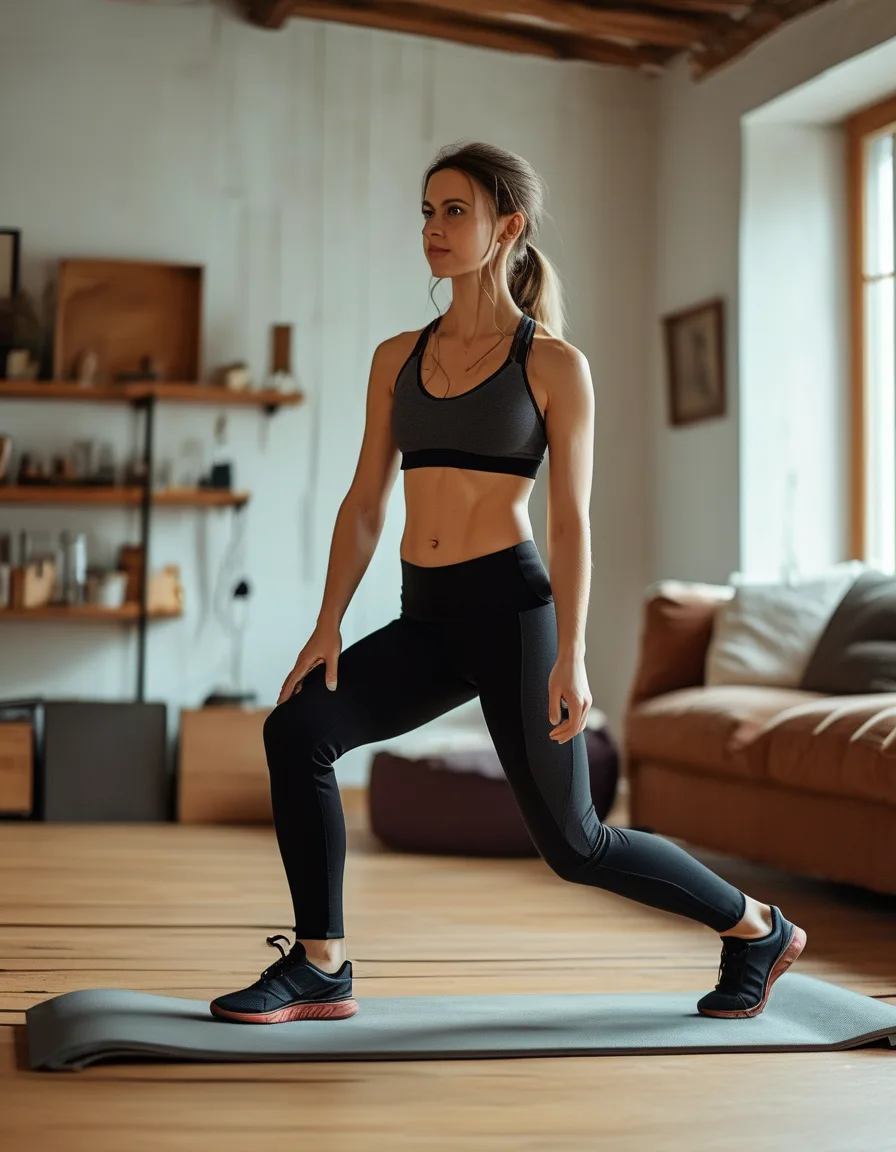
The gap: practicing-each-step-move-individually-and-separately-at-home-never-actually-trains-the-transition-from-one-move-directly-into-the-next-the-way-a-real-class-constantly-requires (practicing each individual step move separately at home, one at a time, never actually training the transition from one move directly into the next the way a real class constantly and repeatedly requires, per the step-aerobics-beginners-guide logic — practicing-each-individual-step-move-separately-at-home-never-actually-training-the-transition-from-one-move-directly-into-the-next-the-way-a-real-class-constantly-requires), and the reframe (mastering moves in isolation being a different skill than chaining them together)).
Why an Instructor’s Cueing Gives Almost No Warning
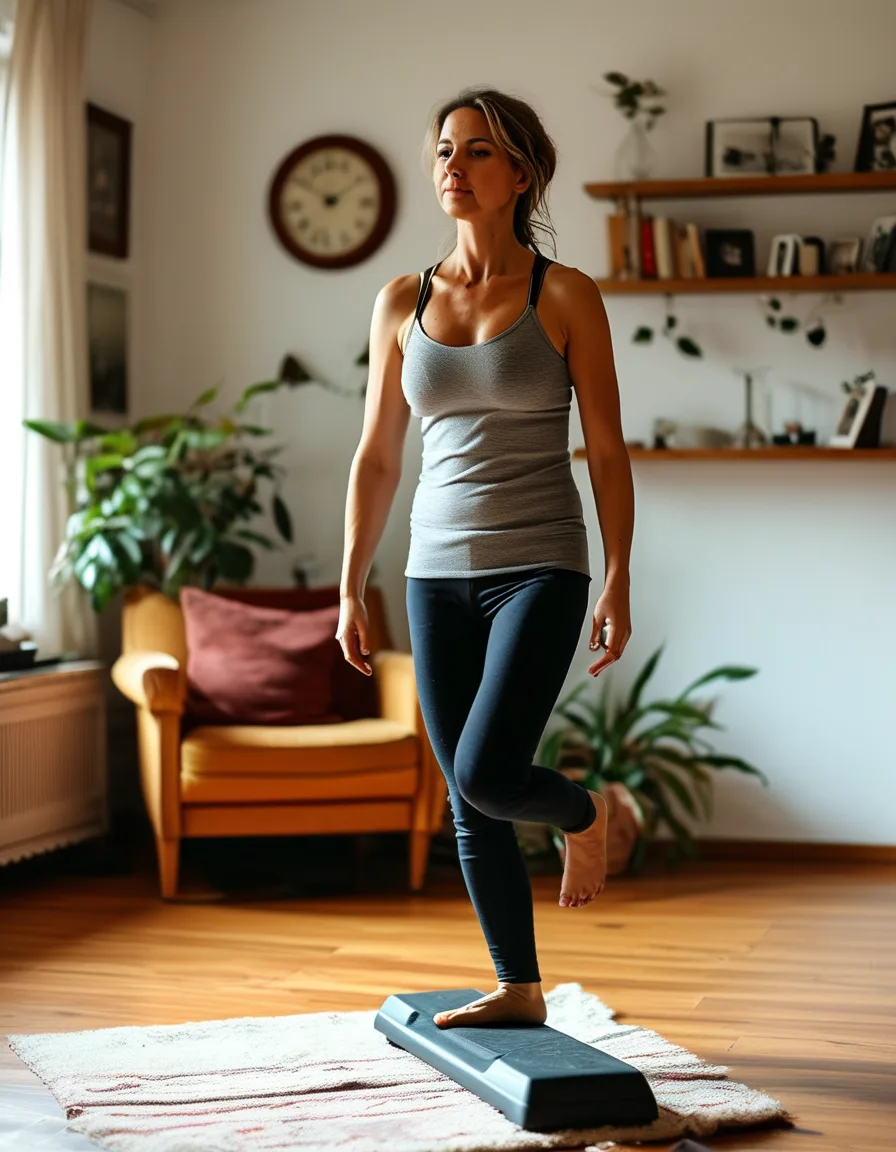
The pressure: an-instructors-cueing-for-the-next-move-typically-arrives-only-a-beat-or-two-before-its-needed-leaving-almost-no-time-to-consciously-plan-the-transition-in-the-moment (an instructor’s spoken cueing for the next move typically arriving only a beat or two before it’s actually needed, leaving almost no real time to consciously plan out the transition itself in that moment, per the step-aerobics-moves-guide logic — an-instructors-spoken-cueing-for-the-next-move-typically-arriving-only-a-beat-or-two-before-its-needed-leaving-almost-no-real-time-to-consciously-plan-the-transition), and the frame (the moves being familiar while the timing pressure around them is what’s actually new)).
How Rehearsing Transitions Specifically Closes the Gap
The drill: practice-chaining-two-or-three-moves-together-back-to-back-at-home-specifically-rehearsing-the-transition-itself-rather-than-just-repeating-each-move-in-isolation (practicing the chaining of two or three step moves together back to back at home, specifically rehearsing the transition itself as its own skill, rather than only repeating each individual move over and over in isolation, per the step-aerobics-workout-for-beginners-guide logic — practicing-the-chaining-of-two-or-three-step-moves-together-back-to-back-at-home-specifically-rehearsing-the-transition-itself-rather-than-only-repeating-each-move-in-isolation), and the frame (training the exact skill a class demands, instead of a related but different one)).
Practicing each step move separately at home never actually trains the transition from one move into the next, which is exactly what a real class constantly demands, especially once an instructor’s cueing arrives only a beat or two before it’s needed. Practicing two or three moves chained together back to back at home, rehearsing the transition itself rather than just repeating moves in isolation, trains the specific skill a class actually requires instead of a related but different one.
Keep Reading
This article is for general informational and styling purposes only. Fit, sizing, and product availability may vary.