Why Changing Your Step Platform's Riser Count Changes the Workout More Than You'd Think
Quick Answer: Each riser added under a step platform increases the vertical distance the hips and knees travel with every step, which raises calorie burn and muscle engagement but also increases joint impact and choreography difficulty simultaneously — riser count isn’t just an intensity dial, it changes multiple aspects of the workout at once.
Adding two risers under the platform seems like a small physical change. The workout that follows feels like a genuinely different class.
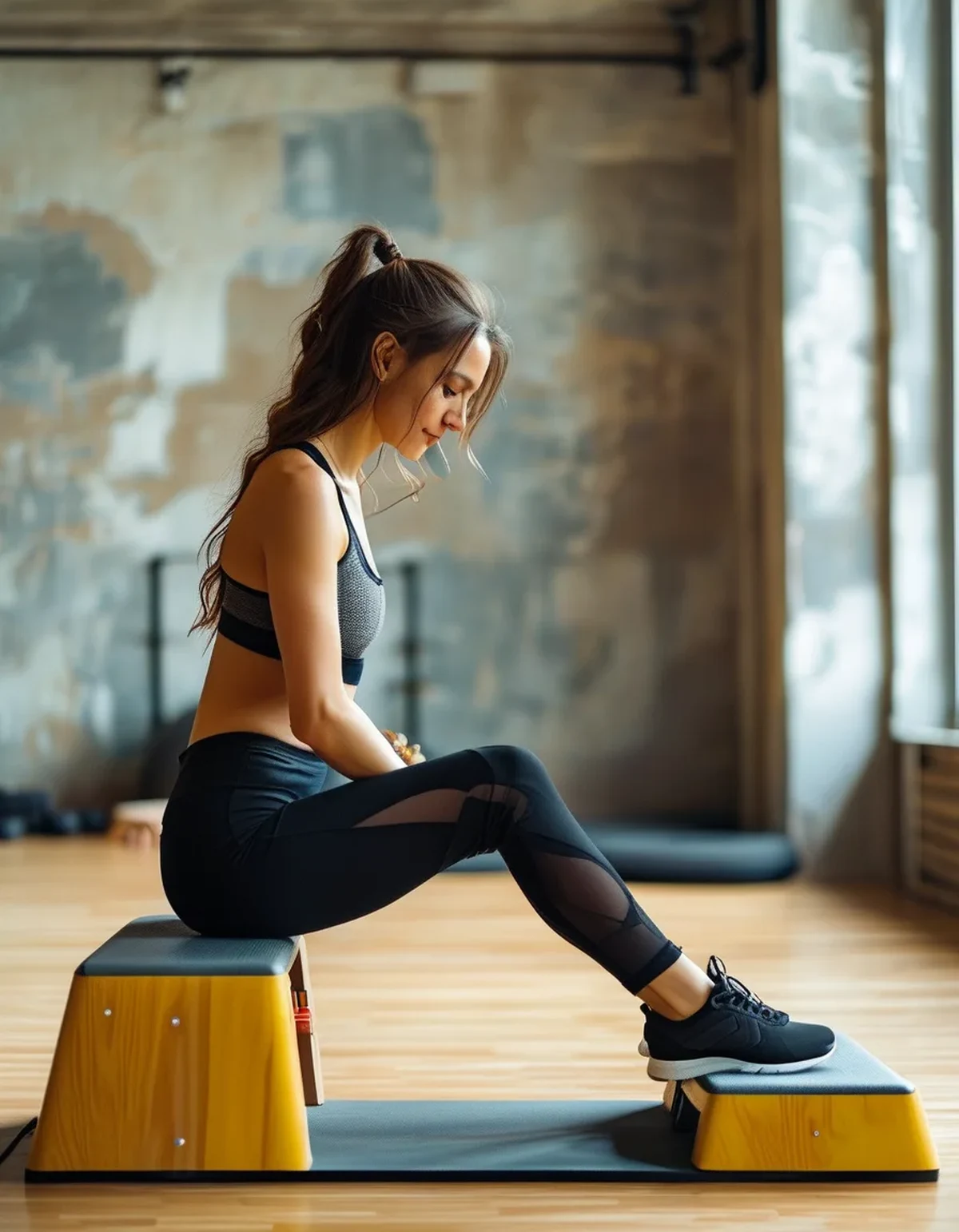
Why does adding risers change more than just how tired your legs feel?
Every additional riser increases the vertical range of motion required at the hip, knee, and ankle for each step, which raises the mechanical work (and therefore calorie burn) performed with every repetition. But that same increased range of motion also increases impact force on landing and requires more precise foot placement and timing, meaning riser height affects cardio intensity, strength demand, joint load, and choreography difficulty all together, not just one variable in isolation.
Does higher platform height actually increase injury risk, or just difficulty?
Both, to some degree — a higher platform increases the consequence of a mistimed or poorly placed step, since there’s more vertical distance to lose balance across, and it increases cumulative impact load on knees over a full class, which is part of why fitness guidance generally recommends building up riser height gradually rather than jumping straight to maximum height.
How should someone actually decide the right riser count for their level?
A reasonable general guideline is starting with zero or one riser (typically 4-6 inches) until choreography timing feels comfortable and controlled, then adding height gradually as both cardiovascular capacity and step precision improve — using platform height as a progression tool over weeks rather than choosing max height immediately for a harder-feeling workout.
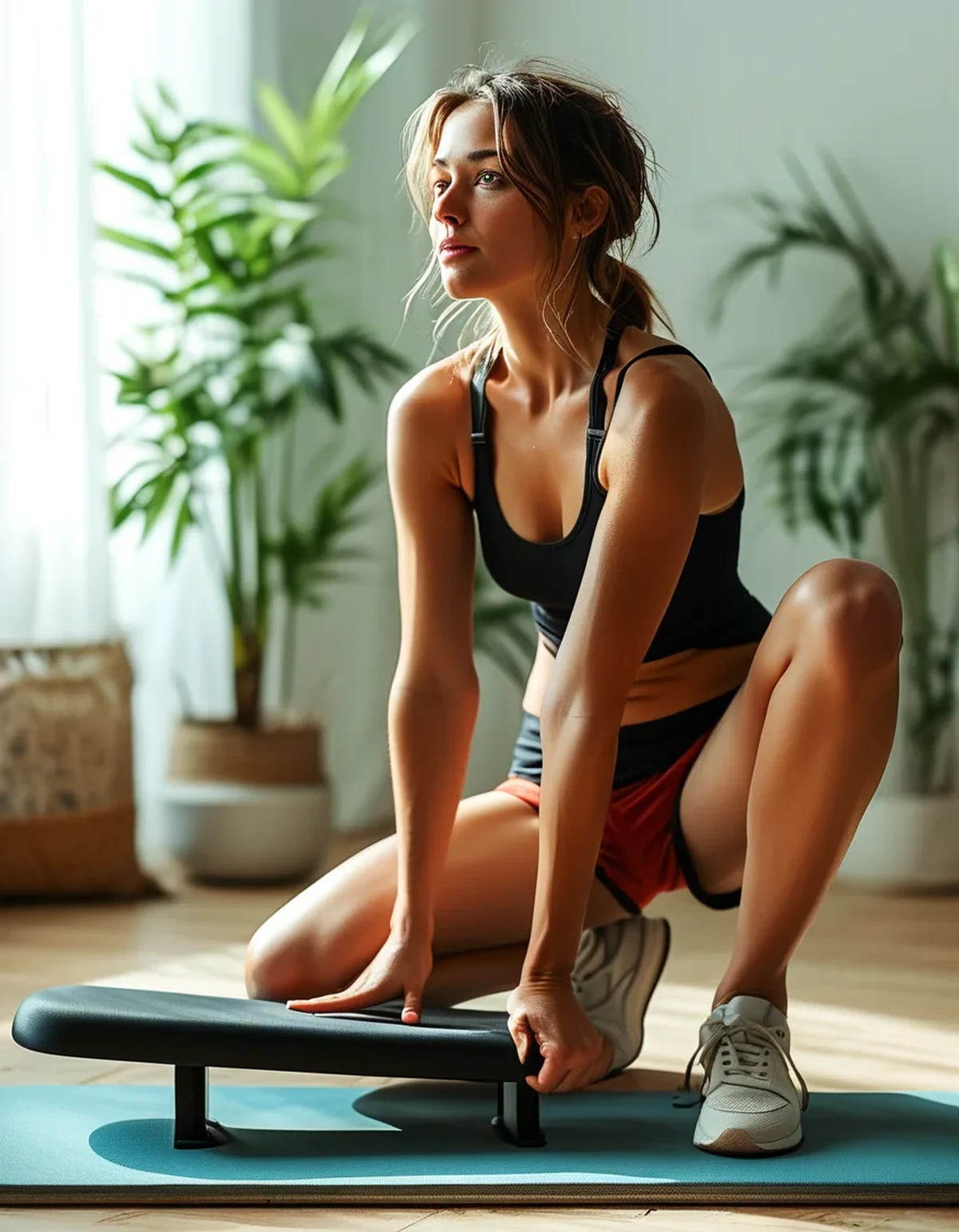
Does riser count interact with choreography complexity, or are they separate difficulty factors?
They interact directly — the same choreography sequence that feels manageable at a lower platform height can become significantly harder to execute cleanly at a higher height, since the added vertical distance leaves less margin for error in timing, making platform height and choreography complexity a combined difficulty factor rather than two separate ones stacked on top of each other.
Does knee strain from platform height affect ascending and descending equally?
No — descending typically places more eccentric (lengthening) load on the quadriceps and more impact stress on the knee joint than ascending does, which is a big part of why higher platforms are specifically associated with more knee discomfort reports, particularly for people progressing height too quickly relative to their current strength and control.
FAQ: Step Platform Riser Height, Answered
Is there a standard maximum riser height recommended for most people?
Many step platforms max out around 8-10 inches with risers fully stacked, and that upper range is generally reserved for experienced participants with solid joint health and step precision already established.
Does body height or leg length affect what riser count feels appropriate?
Yes — taller individuals with longer legs sometimes find lower platforms feel awkwardly shallow, while shorter individuals may find the same lower height already appropriately challenging, so riser count is worth adjusting individually rather than following a class-wide default.
Should riser height be reduced on days with existing knee or joint discomfort?
Yes — temporarily dropping to a lower height or a flat platform on days with existing joint discomfort is a reasonable, low-cost adjustment that preserves the workout without adding unnecessary strain.
TL;DR:
- Each added riser increases vertical range of motion, raising calorie burn and muscle demand
- The same increase also raises joint impact and choreography timing difficulty together
- A gradual riser-height progression is safer than jumping straight to maximum height
- Higher platforms make the same choreography meaningfully harder to execute cleanly
- Descending places more knee strain than ascending, especially at greater platform heights
Riser count is really several difficulty dials moving at once, not a single simple intensity setting.
Keep Reading
This article is for general informational and styling purposes only. Fit, sizing, and product availability may vary.