Why Your Step Platform Slides on Some Studio Floors and What to Do
Quick Answer: Platforms slide because of three things, in this order: floor finish, dust and residue, and worn rubber feet. Freshly polished or sealed sprung floors have a far lower coefficient of friction than the vinyl or carpet most platforms are designed around, and a thin layer of dust acts like ball bearings. The fastest fixes are wiping both the feet and the floor patch with a damp cloth, positioning away from newly polished lanes, and replacing worn feet - a slide is a fall risk, not an annoyance.
Here is the full diagnosis and each fix.
Why the same platform behaves differently in different rooms
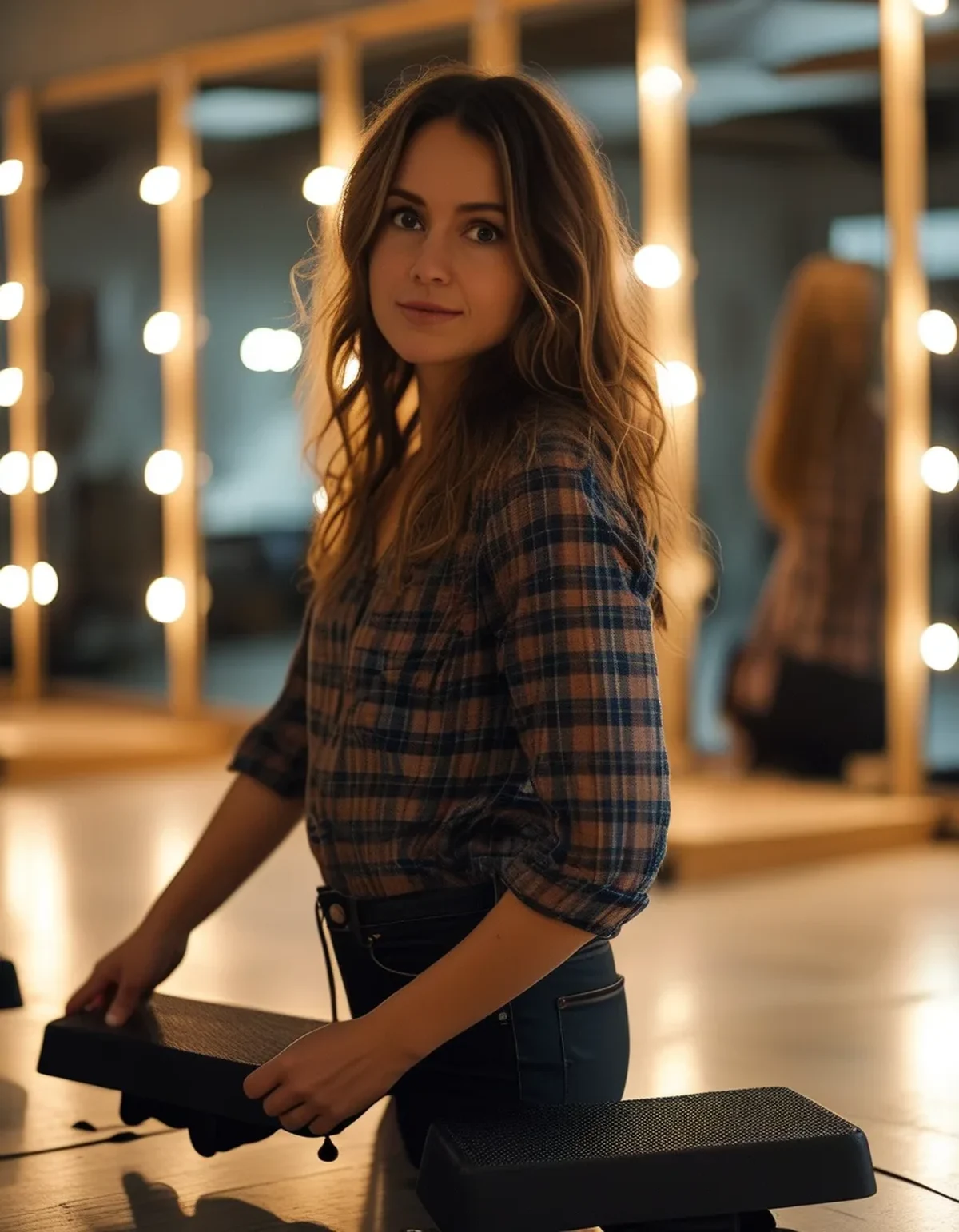
Studio floors vary enormously in surface finish, and the platform has no idea which one it is on. A sealed sprung wood floor with a fresh polish coat is genuinely slippery in a way that home vinyl or carpet is not.
Polyurethane floor finishes are the common culprit. They are chosen for durability and for the slide that dancers want, and that same property is exactly wrong for a static platform that must not move.
Sprung floors add a second problem. They flex under load, so the platform’s four feet do not stay evenly weighted through a step-up - and a momentarily unweighted foot has almost no friction at all.
Rubber feet grip by microscopic surface contact. Anything between the rubber and the floor - dust, cleaning product residue, floor polish, sweat - reduces that contact and the grip drops sharply.
Cleaning schedules matter more than most people realise. A studio cleaned the night before with a residue-leaving product is dramatically more slippery in the morning class than the same studio in the evening after a day of use.
And temperature affects rubber. Cold rubber is harder and grips less. A platform stored in a cold storeroom is measurably more slippery in the first ten minutes than one that has been in a warm studio.
The fixes, in order of how much they help
Wipe the feet and the floor patch with a damp cloth before class. This is the single most effective step and it takes twenty seconds. Water removes dust and residue and briefly increases friction substantially. Let it be damp, not wet.
Move to a different part of the floor. Studios are not uniform. The high-traffic centre is often less slippery than the polished edges, and a metre or two of repositioning frequently solves the whole problem.
Check the feet for wear and replace them. Rubber feet harden and glaze over time. A glazed foot looks shiny rather than matte - that shine is the failure, and replacement feet are inexpensive for most brands.
Avoid taping the platform down. Tape residue makes the floor worse for everyone afterwards, and most studios prohibit it for exactly that reason. Ask staff before doing anything adhesive.
A thin rubber mat under the platform works where studios permit it. Look for a mat with a textured underside rather than a smooth yoga mat, which can slide as a unit.
Reduce riser height temporarily if the platform is unstable. A lower platform with a lower centre of mass is far more forgiving of a small slide, and it is the right call for a session where you cannot fix the grip.
And tell the front desk. A slipping platform is a facility issue. Studios generally want to know, particularly if a floor was recently refinished, and one report often changes the cleaning product.

How to tell whether it is the floor, the feet, or your technique
Test the platform static before class. Push it sideways hard with your foot while it is empty. If it slides with light pressure, the problem is grip, not what you are doing on it.
Then test the same platform in two places. If it grips in the middle of the room and slides at the edge, it is a floor finish issue and repositioning is the answer.
Then test a different platform in the same spot. If a borrowed platform grips where yours does not, your feet are worn - and that is a five-minute fix with replacement parts.
If everything slides everywhere, it is the floor. Report it, lower your risers, and treat that as a facility problem rather than something to work around indefinitely.
Technique contributes in one specific way: landing. Landing hard and forward rather than stepping onto the platform generates a horizontal force component that pushes it away. A quieter, more vertical step-up genuinely helps.
Trailing-foot drag is the other technique factor. Catching the edge of the platform with the trailing foot on the way up applies a sideways nudge every repetition, and over a long combo that adds up to visible movement.
Myth vs Fact: Step Platform Stability
Myth: heavier platforms do not slide. Fact: mass helps a little, but friction depends on the interface, not primarily on weight. A heavy platform on a polished floor with glazed feet still slides.
Myth: sliding is a technique problem. Fact: technique contributes, but floor finish and worn feet cause the large majority of it. Test the empty platform before assuming it is you.
Myth: a yoga mat underneath will fix it. Fact: a smooth yoga mat frequently slides as a unit, moving the problem rather than solving it. A textured-underside rubber mat is the version that works.
Myth: rubber feet last the life of the platform. Fact: they harden and glaze with age and cleaning products. Glazed shiny feet are worn feet, and replacement is cheap.
Myth: more risers make the platform more stable because it is heavier. Fact: more risers raise the centre of mass and increase the leverage of any horizontal force. Lower is more stable, always.
Myth: it is fine as long as it only slides a little. Fact: a platform that moves a few centimetres mid-combo is exactly the fall risk that produces ankle injuries. Small slides are the warning, not the acceptable version.
Myth: nothing can be done about a slippery studio floor. Fact: damp-wiping the contact patch, repositioning, and reporting the finish to staff each help measurably, and the third one often fixes it for everybody.
FAQ: Step Platform Sliding, Answered
Why does my platform slide at the gym but not at home?
Studio floors are usually sealed sprung wood with a polished finish designed to let dancers slide. Home vinyl and carpet have far higher friction, so the same platform behaves completely differently.
What is the quickest fix before a class starts?
Wipe both the rubber feet and the floor patch with a damp cloth. It removes dust and residue and takes about twenty seconds. Damp, not wet.
How do I know if the rubber feet are worn?
Look for shine. New rubber feet are matte; glazed, shiny feet have hardened and lost their microscopic surface contact. Replacements are inexpensive for most brands.
Can I tape the platform to the floor?
Ask first, and generally no. Adhesive residue makes the floor worse for everyone afterwards and most studios prohibit it.
Does adding risers make it more or less stable?
Less. Extra risers raise the centre of mass and increase the leverage of any sideways force. Lowering the platform is the right temporary response to an unstable setup.
Is a mat underneath a good solution?
Only with a textured underside. A smooth yoga mat often slides as a whole unit, which relocates the problem rather than fixing it.
Is a small slide really a problem?
Yes. A platform that shifts a few centimetres mid-combo is the classic mechanism for a missed step and an ankle injury. Treat small movement as a warning rather than as tolerable.
TL;DR:
- Floor finish is the main cause, not the platform. Polished sprung studio floors are deliberately low-friction.
- Dust and cleaning residue act like ball bearings. A damp wipe of the feet and the floor patch is the fastest fix.
- Glazed shiny rubber feet are worn feet. Replacements are cheap and often solve it outright.
- Reposition. Studios are not uniform - the centre often grips where the edges do not.
- Test before class: push the empty platform sideways, then try a different spot, then a different platform. That sequence isolates the cause.
- Fewer risers, not more, when stability is in doubt - lower centre of mass, less leverage.
- Report it. A recently refinished floor is a facility issue and one report often changes the cleaning product.
Land vertically rather than driving forward onto the platform, and watch for trailing-foot drag - both add a sideways nudge every single repetition.
Keep Reading
This article is for general informational and styling purposes only. Fit, sizing, and product availability may vary.